

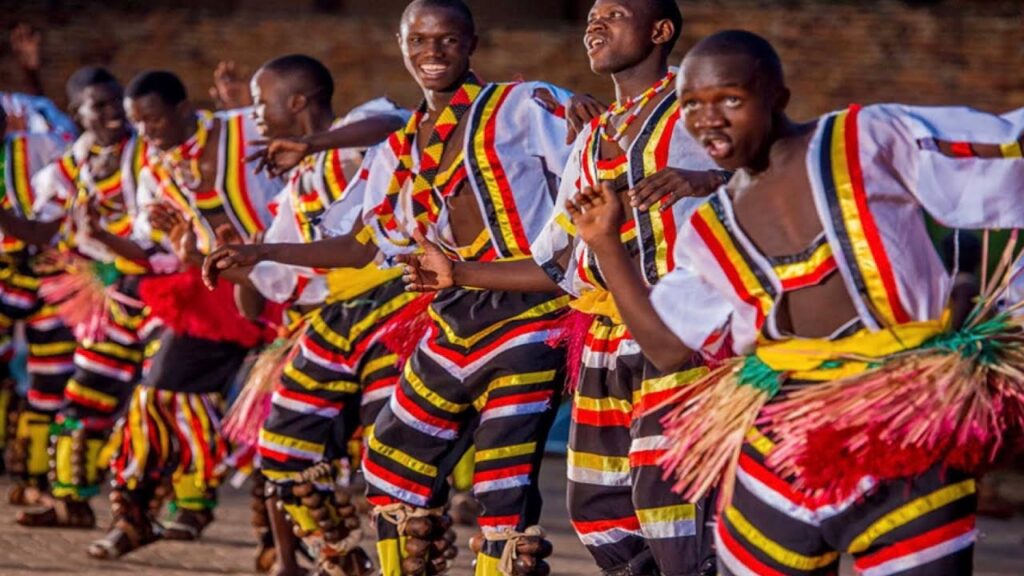
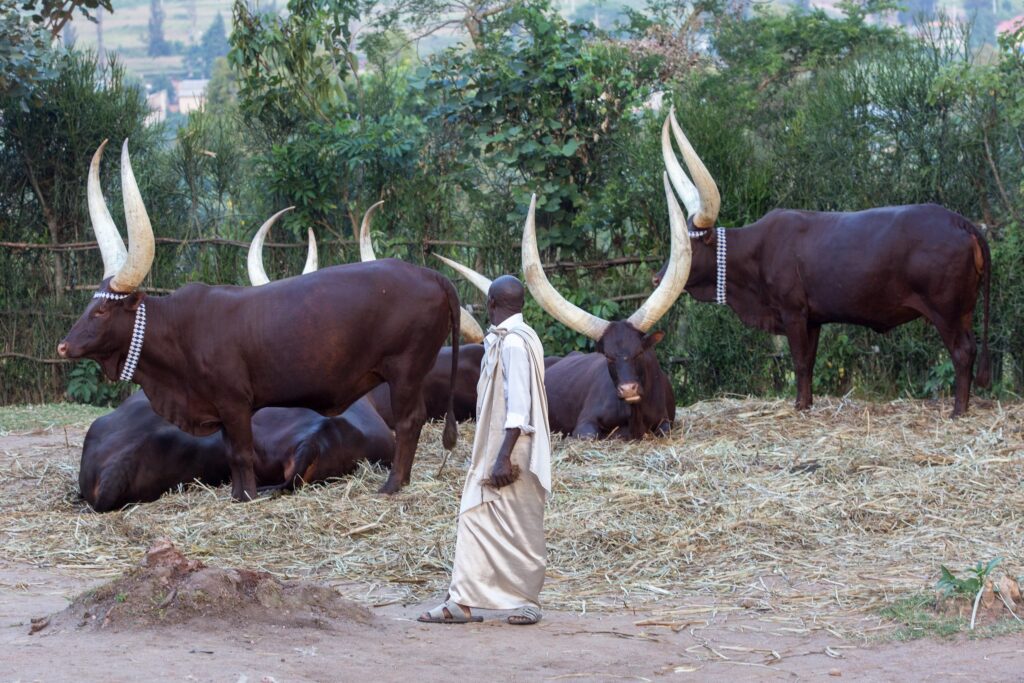
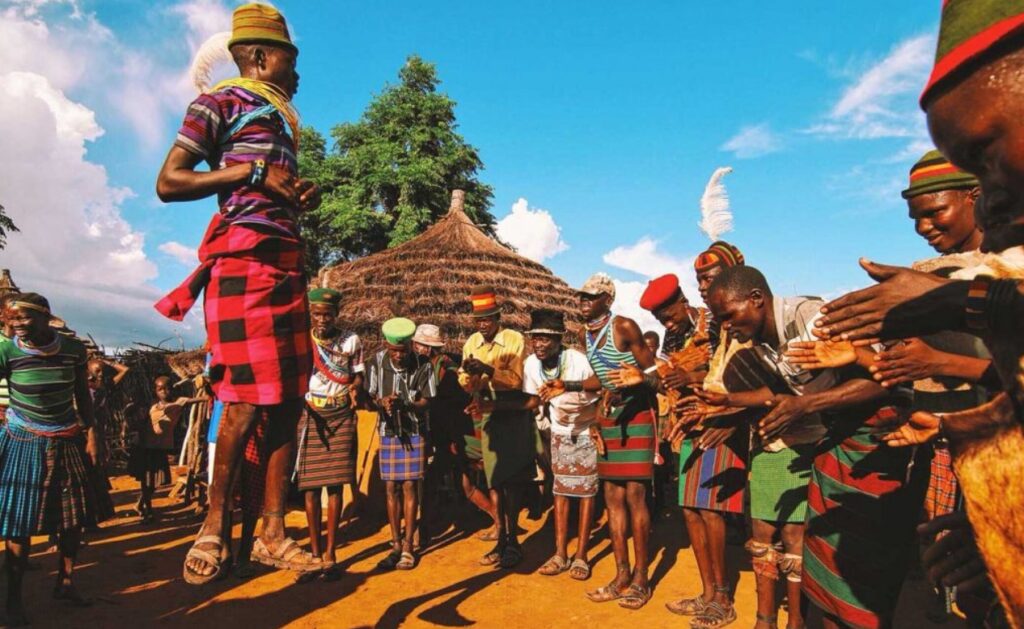
What Are Some of the Tribes in Uganda? Uganda is renowned for its extraordinary cultural mosaic. More than fifty tribes in Uganda are woven into a vibrant tapestry that defines the nation’s identity. Furthermore, the traditions preserved by these communities are seamlessly integrated into Uganda’s thriving tourism sector. Travelers are continually drawn to authentic experiences that highlight the warmth, artistry, and resilience embedded within each tribe. Subsequently, cultural tourism in Uganda has emerged as a cornerstone of the country’s appeal, offering visitors far more than scenic landscapes alone. The rich heritage of tribes in Uganda is experienced through lively festivals, traditional performances, and hospitable village stays. Moreover, these encounters foster deeper connections between tourists and local communities, ensuring that cultural preservation and economic growth advance hand in hand. In addition, every journey into the heart of Uganda tribes tourism leaves lasting impressions that extend well beyond the trip itself. The Majestic Baganda: Guardians of Buganda Kingdom The Baganda are celebrated as the largest tribe in Uganda. Their kingdom is known for its structured governance and storied royal lineage that dates back centuries. Moreover, traditional dances and music performed by the Baganda are frequently showcased during cultural tours across central Uganda. Visitors are warmly welcomed into Buganda, where the Kabaka’s palace stands as a living monument to enduring heritage and community pride. In addition, the hospitality extended by the Baganda transforms every visit into a memorable chapter of Uganda tribes tourism. The colorful attire and rhythmic performances continue to captivate travelers seeking genuine immersion. Subsequently, the Baganda exemplify how tribal traditions enrich the broader travel narrative of Uganda. The Noble Banyankole: Stewards of the Southwestern Plains The Banyankole are recognized for their profound bond with long-horned cattle. Their pastoral customs are preserved through storytelling, ceremonies, and daily life that reflect harmony with nature. Furthermore, the rolling plains of western Uganda provide an ideal backdrop for immersive cultural tours focused on tribes in Uganda. Tourists are invited to witness age-old rituals that underscore the tribe’s strength and communal values. In addition, the Banyankole region seamlessly blends breathtaking scenery with authentic heritage experiences. Travelers are often moved by the sight of majestic cattle herds and the gracious welcome offered by families. Subsequently, these encounters highlight the vital role of the Banyankole in advancing Uganda’s cultural tourism. The Energetic Bakiga: Inhabitants of the Kigezi Highlands The Bakiga are admired for their industrious spirit and terraced farming techniques that sustain the southwestern highlands. Their energetic music and dance are renowned throughout the country and are regularly featured in cultural festivals. Moreover, the dramatic landscapes surrounding Bakiga communities create perfect settings for adventure combined with cultural exploration. Visitors are enchanted by the vibrant performances and heartfelt hospitality that define the tribe. Furthermore, the Bakiga’s traditions offer valuable lessons in sustainability and resilience that resonate with modern travelers. In addition, their communal dances and warm smiles leave an indelible mark on every itinerary centered on tribes in Uganda. Subsequently, the Bakiga stand as a shining example of how cultural authenticity fuels Uganda tribes tourism. The Spirited Acholi: Keepers of Northern Rhythms The Acholi are known for their expressive music and dance traditions passed down through generations. Their cultural practices are prominently celebrated during festivals held across northern Uganda. Furthermore, the Acholi region is gaining popularity among tourists who seek experiences beyond conventional safari routes. The resilience of the Acholi people is beautifully reflected in their rhythmic performances and captivating storytelling sessions. In addition, engaging directly with Acholi communities deepens appreciation for the diversity of tribes in Uganda. Travelers are welcomed into villages where music fills the air and history comes alive. Subsequently, these interactions reinforce the Acholi’s essential place within Uganda’s expanding cultural tourism landscape. The Fearless Karamojong: Warriors of the Northeastern Plains The Karamojong are famed for their nomadic lifestyle and proud warrior heritage. Their cattle-centered culture is maintained through ancient customs that continue to fascinate visitors. Moreover, the rugged terrain of Karamoja serves as a dramatic stage for tours dedicated to tribes in Uganda. Tourists are guided through traditional kraals where daily life unfolds in its most authentic form. In addition, the strength and adaptability of the Karamojong inspire all who journey into the northeast. The vibrant attire and time-honored practices create unforgettable moments that enrich every travel experience. Subsequently, the Karamojong contribute significantly to the unique appeal of Uganda tribes tourism. In conclusion, the tribes in Uganda represent an invaluable treasure for the nation’s tourism industry. Additionally, exploring these diverse communities broadens perspectives while directly supporting local economies. Therefore, every traveler is encouraged to include visits to the tribes in Uganda within their travel plans. The cultural exchanges nurtured through such journeys ensure that traditions are sustained and celebrated for generations to come. Ultimately, the tribes of Uganda offer an unforgettable gateway into the heart of Africa’s rich diversity.WHAT ARE SOME TRIBES IN UGANDA?
Most Popular Tours:

Kampala Boda boda Tours
Duration: Half Day Tour

Uganda Equator Tour
Duration: 1 Day

Zziwa Rhino tracking
Duration: 1 Day

Kampala Walking Tours
Duration: 3, 5, 7 Hrs