

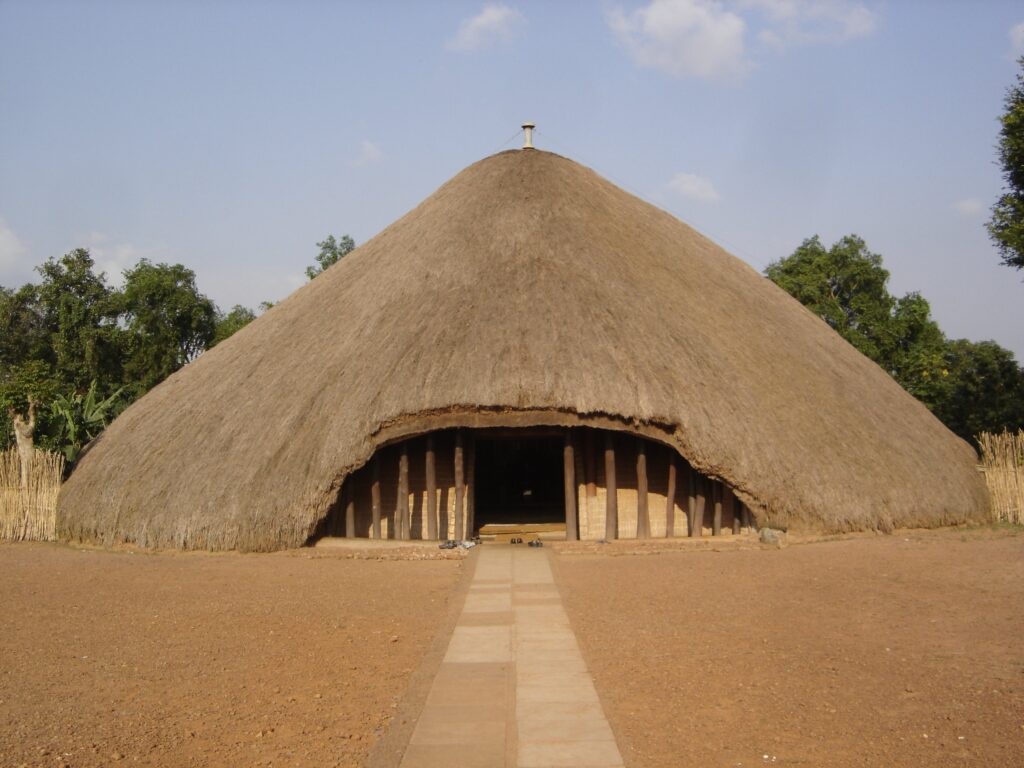
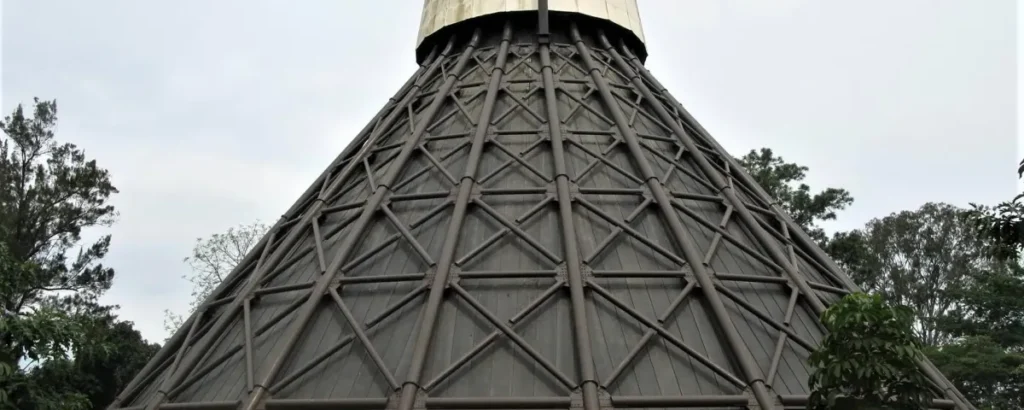
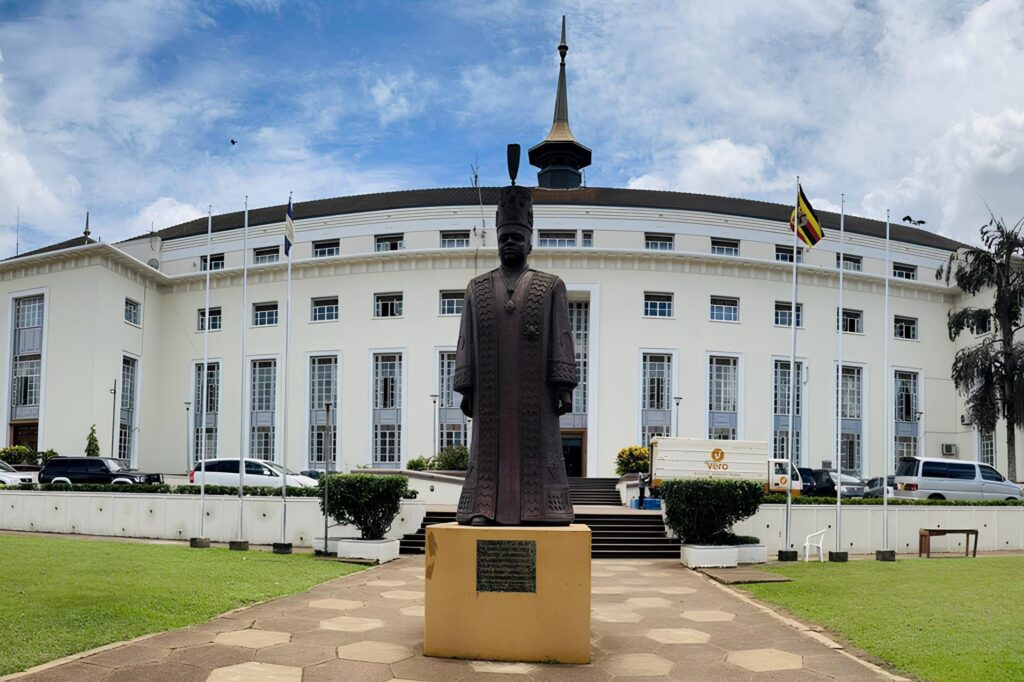
Kampala tour / Kampala tours / Kampala city tours / Slum tours / walking tours / boba-boda tours / motorbike tours / Kampala sightseeing tours / Jinja tour / Lake Victoria / River Nile / Cycling / Kampala boda-boda tour / Kampala boda-boda tours / Kampala walking tours / Kampala slum tours/ Kampala markets/ kampala slums/Buganda marriage/Bahai temple. Uganda is widely celebrated for its vibrant cultural heritage that spans across diverse ethnic groups and historical landmarks. Cultural places in Uganda are preserved with great care and continue to attract visitors from around the world. These sites offer deep insights into the traditions, spirituality, and history of the nation. Moreover, they provide an authentic glimpse into the soul of the Pearl of Africa. Exploring the Majestic Kasubi Tombs The Kasubi Tombs are recognized as a UNESCO World Heritage Site and stand as one of the most significant cultural places in Uganda. Located on Kasubi Hill in Kampala, the tombs serve as the burial grounds for several Kabakas, or kings, of the Buganda Kingdom. Traditional architecture featuring thatched roofs and reed structures is maintained here, and spiritual rituals are still performed regularly. Furthermore, the site symbolizes continuity and identity for the Baganda people, making it an essential stop for anyone seeking to understand Uganda’s royal heritage. Discovering Treasures at the Uganda National Museum The Uganda National Museum, situated along Kira Road in Kampala, is regarded as the oldest museum in East Africa. Exhibits that showcase ethnography, archaeology, and natural history are displayed in a way that educates and inspires. Artifacts from various tribes across the country are carefully arranged, and interactive displays highlight traditional practices. In addition, the museum plays a vital role in preserving Uganda’s cultural narrative for future generations. Visitors are welcomed to explore these collections at a leisurely pace. Honoring History at the Uganda Martyrs Shrine in Namugongo The Uganda Martyrs Shrine in Namugongo is visited by thousands of pilgrims each year, especially on June 3rd. This sacred site commemorates the 25 Christian martyrs who were executed in 1886 under the orders of Kabaka Mwanga II. Architectural elements from both Catholic and Anglican traditions are integrated beautifully into the shrine. Consequently, it has become a powerful symbol of faith and resilience in Uganda’s cultural landscape. Transitional moments of reflection are encouraged here as the history of religious tolerance is contemplated. Immersing in Traditions at the Ndere Cultural Centre Traditional music and dance performances are presented at the Ndere Cultural Centre in a lively and engaging manner. Cultural expressions from over 65 tribes in Uganda are brought to life through storytelling, drumming, and energetic dances. Moreover, the centre fosters appreciation for the country’s diversity and unity. Guests are often invited to participate in select activities, which creates memorable connections to Uganda’s living heritage. This venue is frequently highlighted among the top cultural places in Uganda for its dynamic approach. Appreciating the Kabaka’s Palace at Mengo The Kabaka’s Palace, also known as Lubiri, is located in Mengo and serves as the official residence of the King of Buganda. Historical significance is attached to the palace grounds, where political and cultural events have unfolded over centuries. Guided insights into Buganda governance and customs are provided to those who tour the site. Additionally, the surrounding area offers scenic views that complement the rich narratives shared by knowledgeable attendants. Connecting with Local Communities Through Guided Experiences These cultural places in Uganda can be experienced most authentically when combined with immersive local tours. Bodaboda tours allow travelers to navigate Kampala’s bustling streets and reach hidden cultural gems efficiently. Slum tours reveal the everyday resilience and creativity found in urban communities, adding depth to the overall journey. Walking tours, on the other hand, provide intimate access to neighborhoods where traditions thrive close to these landmarks. In conclusion, cultural places in Uganda continue to captivate and educate all who visit. From royal tombs to vibrant performance centers, the heritage is preserved with pride and shared generously. Therefore, planning a trip that incorporates bodaboda tours, slum tours, and walking tours ensures a comprehensive and unforgettable exploration of Uganda’s cultural treasures. The memories formed here last a lifetime.WHAT ARE SOME OF THE CULTURAL PLACES IN UGANDA?
Most Popular Tours:

Kampala Boda boda Tours
Duration: Half Day Tour

Uganda Equator Tour
Duration: 1 Day

Zziwa Rhino tracking
Duration: 1 Day

Kampala Walking Tours
Duration: 3, 5, 7 Hrs