

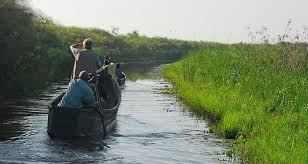
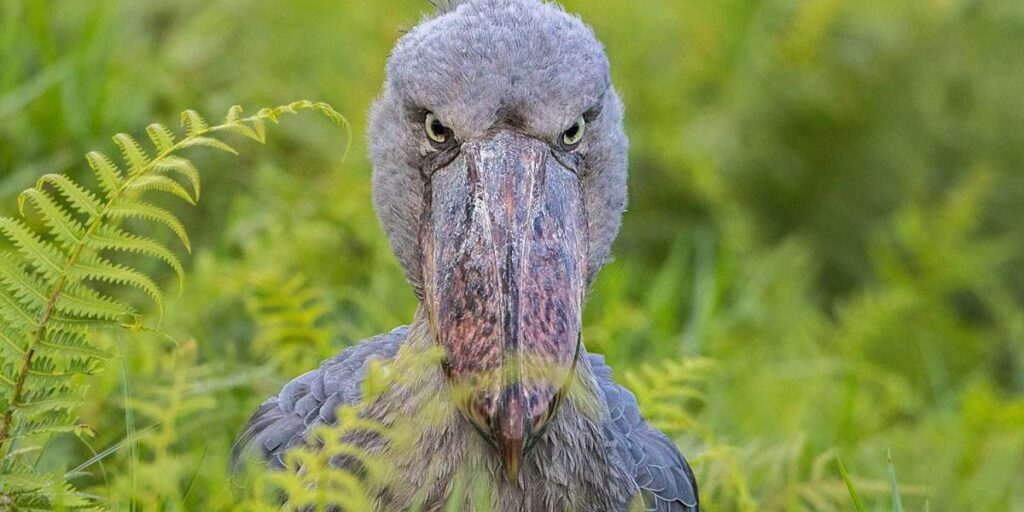
Kampala tour/Kampala tours/Kampala city tours/Slum tours/walking tours/boba-boda tours/motorbike tours/Kampala sightseeing tours. Exploring the Enigmatic Mabamba Swamp. Nestled along the shores of Lake Victoria in Uganda, the Mabamba Swamp is renowned as a premier destination for bird enthusiasts. This vast wetland ecosystem, covering approximately 2,424 hectares, has been designated as an Important Bird Area by BirdLife International. The swamp’s intricate network of papyrus reeds and open water channels creates a unique habitat for diverse avian species. Furthermore, its proximity to Entebbe, just a short drive away, makes it accessible for day trips from the capital. As a result, travelers seeking an immersive nature experience are drawn to this serene location, where the sounds of birdsong fill the air from dawn until dusk. The allure of Mabamba lies primarily in its role as a birdwatching haven, particularly for spotting the elusive shoebill stork. This prehistoric-looking bird, with its massive bill and statuesque posture, has captivated ornithologists and casual observers alike. In addition, the swamp supports over 260 recorded bird species, including rare and endemic varieties. However, visitors are advised to prepare for early morning excursions, as the best sightings often occur at first light when wildlife is most active. Consequently, a visit to Mabamba offers not just visual spectacles but also a deeper appreciation for Uganda’s rich biodiversity. Planning the Journey and Arrival Preparation for a trip to Mabamba Swamp begins with selecting appropriate transportation from Entebbe or Kampala. A scenic drive of about 45 minutes to an hour is typically undertaken along well-maintained roads, passing through local villages and lush countryside. Upon arrival at the swamp’s edge, visitors are greeted by community-managed boat launches, where traditional wooden canoes await. Moreover, local guides, often from nearby fishing communities, are engaged to navigate the waterways safely. These experts, equipped with extensive knowledge of the area, ensure that every excursion is both informative and secure. Accommodations near Mabamba are limited, so day trips are commonly recommended for those based in Entebbe. Basic facilities, such as restrooms and small eateries, can be found at the entry points, though advance bookings for guided tours are encouraged. In contrast, for extended stays, nearby lodges in Entebbe provide comfortable options with views of Lake Victoria. Additionally, essential items like insect repellent, sunscreen, and binoculars are packed by wise travelers to enhance comfort during the outing. Thus, with minimal planning, the transition from urban settings to this natural wonder is seamlessly achieved. Embarking on the Canoe Adventure Once aboard the narrow canoe, the journey into the heart of the swamp commences amidst a gentle paddle through narrow channels. The vessel is propelled quietly by experienced polers, allowing for unobtrusive observation of the surroundings. Papyrus reeds tower overhead, forming natural corridors that whisper with the wind, while the water’s surface reflects the vibrant greens of the vegetation. Furthermore, the rhythmic splash of oars creates a soothing backdrop, interrupted only by occasional bird calls echoing across the wetland. As the canoe glides deeper, the landscape transforms into a labyrinth of waterways teeming with life. Small fish dart beneath the surface, and dragonflies hover in iridescent displays. However, caution is exercised to maintain balance in the shallow craft, especially when standing to capture better views. In this manner, the adventure unfolds slowly, building anticipation for encounters with the swamp’s inhabitants. Consequently, the canoe ride itself becomes an integral part of the experience, fostering a sense of connection with the environment. Encounters with the Majestic Shoebill Stork The highlight of any Mabamba visit is undoubtedly the sighting of the shoebill stork, often referred to as the “whale-headed stork.” This enigmatic bird is spotted standing motionless in the shallows, its piercing gaze scanning for prey. With a height reaching up to five feet and a bill resembling a massive shoe, the shoebill exudes an aura of ancient mystery. Moreover, its population, estimated at fewer than 5,000 globally, underscores the importance of conservation efforts in areas like Mabamba. Sightings are facilitated by guides who expertly maneuver the canoe to optimal viewing spots without disturbing the wildlife. In addition, binoculars are utilized to observe details such as the bird’s slate-gray plumage and deliberate movements. However, patience is required, as the shoebill may remain statue-like for extended periods before lunging at fish or lungfish. As a result, when a successful hunt is witnessed, a profound sense of awe is evoked among observers. Thus, these moments etch lasting memories of nature’s raw power and beauty. Diversity of Avian Life and Other Wildlife Beyond the shoebill, a plethora of other bird species inhabits the Mabamba Swamp, contributing to its status as a biodiversity hotspot. Papyrus gonoleks, with their striking red and black markings, are frequently heard calling from dense reeds. Additionally, African fish eagles soar overhead, their distinctive cries piercing the sky, while saddle-billed storks wade elegantly through the water. Weaver birds, busy constructing intricate nests, add bursts of yellow to the green expanse. Occasionally, glimpses of mammals such as the sitatunga antelope are caught, adapted to the swampy terrain with splayed hooves. However, the focus remains predominantly on avian diversity, with species like malachite kingfishers flashing brilliant blues along the banks. In contrast to the birds’ vibrancy, the swamp’s flora provides a subdued palette of greens and browns. Furthermore, seasonal variations influence sightings, with migratory birds enhancing the roster during certain months. Consequently, each visit offers unique discoveries, rewarding repeat explorers. Conservation Efforts and Community Involvement The preservation of Mabamba Swamp is supported by local communities who recognize its ecological and economic value. Initiatives led by organizations like Nature Uganda promote sustainable tourism practices to minimize environmental impact. Moreover, revenue from guided tours is reinvested into habitat protection and anti-poaching measures. As a result, the swamp’s delicate balance is maintained, ensuring future generations can enjoy its wonders. Visitors are encouraged to participate in eco-friendly behaviors, such as avoiding litter and respecting wildlife distances. In addition, educational programs inform about the threats posed by habitat loss and climate change. However, challenges persist, including encroachment from agriculture and invasive species. Thus, through collaborative efforts, the integrity of this wetland ecosystem is safeguarded, highlighting the interplay between human communities and nature. Reflections on a Memorable Expedition As the canoe returns to the shore, a sense of fulfillment lingers from the day’s explorations. The swamp’s tranquility, contrasted with bursts of wildlife activity, leaves an indelible impression. Furthermore, interactions with knowledgeable guides enrich understanding of local culture and ecology. In retrospect, Mabamba exemplifies how protected areas can thrive amidst modern pressures. For those contemplating a visit, the experience is recommended as an essential addition to any Ugandan itinerary. However, timing and preparation are key to maximizing enjoyment. Ultimately, the Mabamba Swamp is cherished not just for its birds, but for the profound peace it instills in all who venture into its depths.THE UNIQUENESS OF MABAMBA SWAMP.

Most Popular Tours:

Kampala Boda boda Tours
Duration: Half Day Tour

Uganda Equator Tour
Duration: 1 Day

Zziwa Rhino tracking
Duration: 1 Day

Kampala Walking Tours
Duration: 3, 5, 7 Hrs