

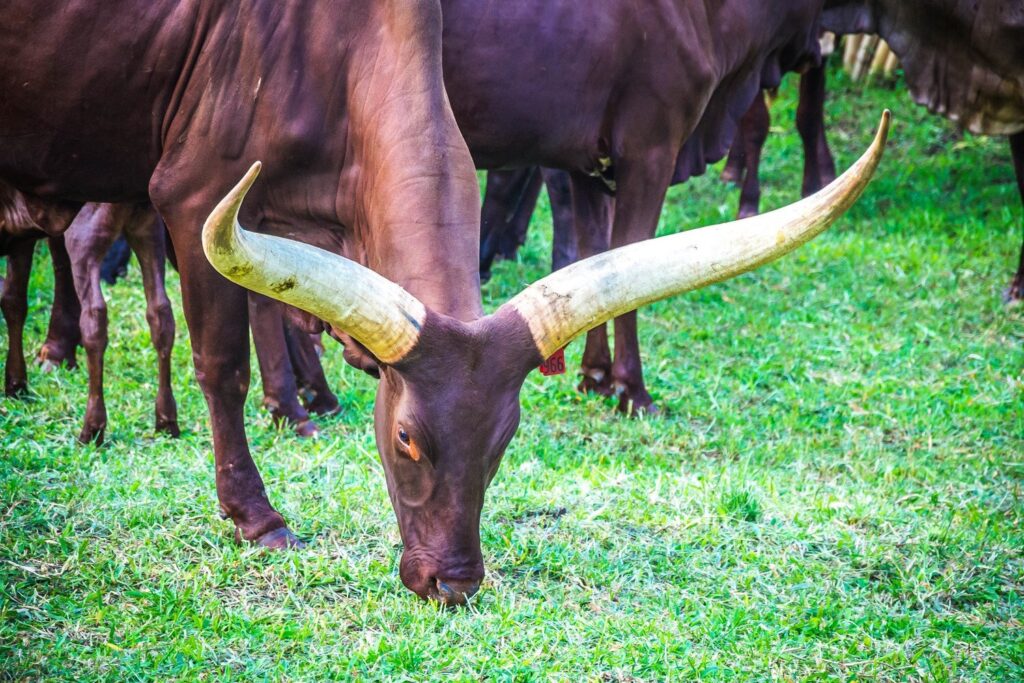
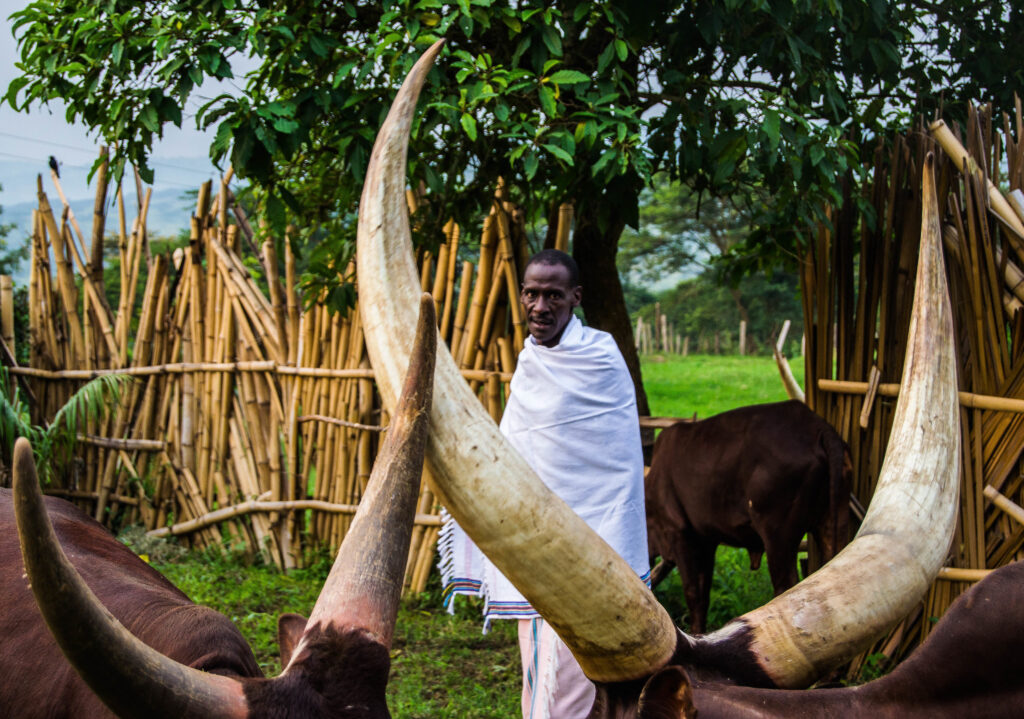
Kampala tour / Kampala tours / Kampala city tours / Slum tours / walking tours / boba-boda tours / motorbike tours / Kampala sightseeing tours / Jinja tour / Lake Victoria / River Nile / Cycling / Kampala boda-boda tour / Kampala boda-boda tours / Kampala walking tours / Kampala slum tours/ Kampala markets/ kampala slums/Buganda marriage/Bahai temple. Nestled amid the rolling hills and lush pastures of western Uganda, the Ankole region captivates visitors with its iconic long-horned cattle and vibrant Banyankole heritage. Moreover, the traditional marriage customs of the Banyankole people stand out as a profound expression of family unity, respect, and cultural continuity. These time-honored practices are not merely private affairs; instead, they are communal celebrations that can be deeply experienced through specialized bodaboda tours and walking tours. Consequently, travelers are seamlessly connected to remote villages where the essence of Ankole traditional marriage unfolds in real time. The Foundations of Banyankole Union Marriage in Ankole is traditionally arranged with great care and is prepared for from childhood. Boys are groomed by fathers and uncles in cattle herding and leadership, while girls are taught household management and cultural values by mothers and aunts. Furthermore, direct courtship between the couple is avoided. A respected intermediary known as the katerarume is selected to present the proposal on behalf of the groom’s family. In this way, negotiations are conducted with dignity and formality, ensuring both sides are aligned from the outset. Negotiating the Bride Price with Ankole Cattle Once acceptance is signaled, discussions shift to the bride price, which is regarded as a symbol of the groom’s commitment and ability to provide. Cattle form the cornerstone of these exchanges, with Ankole’s famous long-horned breeds highly prized. Typically, between five and fifteen cows, along with goats and beer, are agreed upon through meticulous bargaining. Subsequently, elders from the bride’s family visit the groom’s home to fetch the exact animals selected from the kraal. Any substitution is viewed as disrespectful and may halt proceedings. Thus, the transfer of livestock publicly affirms the alliance between the two families. The Grand Kuhingira Giveaway Ceremony The highlight of Ankole traditional marriage is the kuhingira, or giveaway ceremony, held at the bride’s family home. The entire community is invited, transforming the grounds into a vibrant feast venue. A bull is slaughtered, traditional foods are prepared, and generous gifts are presented to the bride for her new life. During the event, the bride is formally handed over, often veiled in earlier times, and escorted by a group called enshagarizi to the groom’s residence. Additionally, music, dance, and communal blessings fill the air, creating an unforgettable spectacle of joy and solidarity. Intimate Preparations and Family Roles In the days following kuhingira, specific rituals strengthen the union. The bride’s aunt, for instance, traditionally guides her niece through marital expectations. However, these elements have largely evolved with modern influences and are no longer central in many contemporary ceremonies. Instead, focus shifts to practical teachings, such as cooking where the aunt helps the bride kindle the kitchen fire, symbolizing her new role as a wife. In this manner, generational wisdom is passed down with care and continuity. Walking Tours and Village Immersion For a slower, more reflective exploration, walking tours are highly recommended. These guided strolls meander through Ankole villages, past thatched homes and cattle enclosures, where guides explain every step of the marriage process. Participants are invited to witness cattle selection rituals or sample the feasts that accompany kuhingira. Furthermore, at places like Nshenyi Cultural Village, hands-on activities reveal how families integrate new brides through welcoming rites. In addition, the peaceful pace fosters meaningful conversations with elders, enriching the understanding of how Ankole marriage strengthens community bonds across generations. Modern Influences on Timeless Customs Although rooted in centuries-old traditions, Ankole marriage continues to adapt gracefully. Church weddings often follow kuhingira, blending Christian rites with ancestral blessings. Additionally, urban influences and education have softened certain formalities, yet the core emphasis on family approval and cattle symbolism remains strong. Travelers on cultural tours frequently note this harmonious blend, where ancient practices coexist with contemporary celebrations. Thus, the region offers a dynamic portrait of heritage that evolves without losing its heart. A Journey Worth Taking. Ultimately, discovering how marriage is done in Ankole provides far more than cultural knowledge,it forges a personal connection to Uganda’s rich tapestry. Whether gliding through the hills on a bodaboda tour or strolling village paths on a walking tour, visitors leave with lasting appreciation for the Banyankole way of life. The ceremonies, the cattle, and the communal spirit serve as powerful reminders of unity and tradition. Therefore, plan your Ankole adventure today and witness firsthand why these customs continue to thrive in the heart of Uganda.HOW IS MARRIAGE DONE IN ANKORE?
Most Popular Tours:

Kampala Boda boda Tours
Duration: Half Day Tour

Uganda Equator Tour
Duration: 1 Day

Zziwa Rhino tracking
Duration: 1 Day

Kampala Walking Tours
Duration: 3, 5, 7 Hrs