

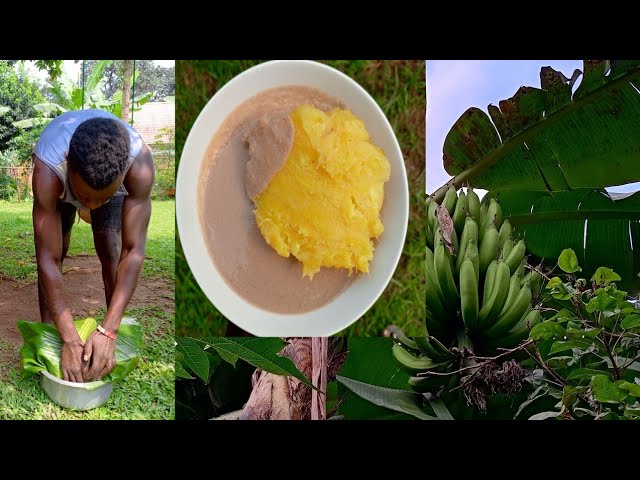
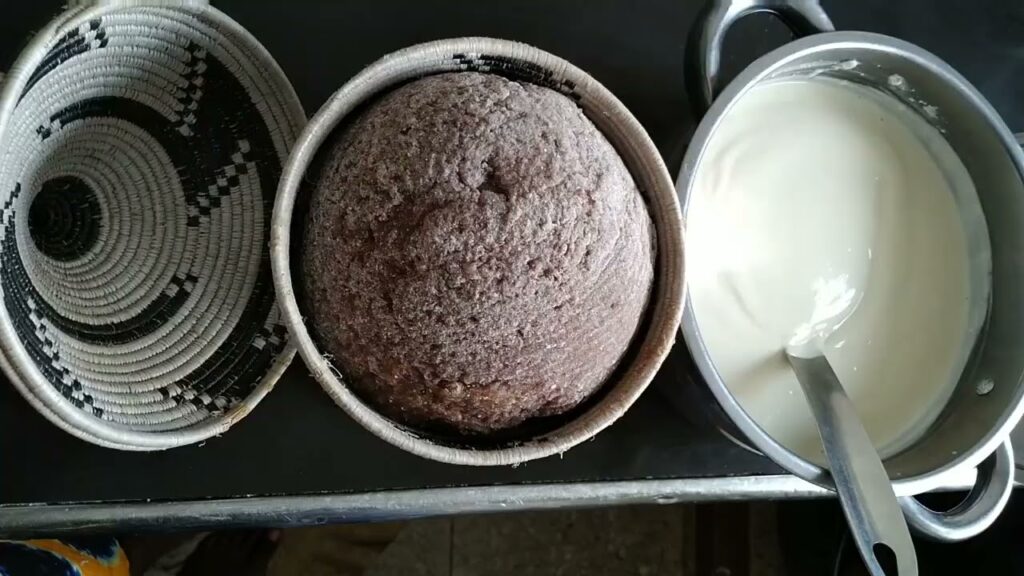
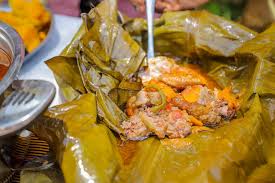
Kampala tour / Kampala tours / Kampala city tours / Slum tours / walking tours / boba-boda tours / motorbike tours / Kampala sightseeing tours / Jinja tour / Lake Victoria / River Nile / Cycling / Kampala boda-boda tour / Kampala boda-boda tours / Kampala walking tours / Kampala slum tours/ Kampala markets/ kampala slums/Buganda marriage/Bahai temple. Visitors through the verdant hills and valleys of Western Uganda are immediately drawn into a world where culinary traditions remain deeply rooted in community and nature. Foods are prepared using methods that have endured for generations among the Banyankole, Bakiga, and Batooro peoples. Moreover, these techniques highlight the region’s fertile soils and abundant harvests, turning simple ingredients into flavorful feasts that nourish both body and spirit. Additionally, the process begins at dawn when fresh produce is gathered, ensuring every meal carries the essence of the land. Discovering the Steaming Art of Matooke Matooke, the beloved green banana staple, is peeled with care before being arranged in layers of fresh banana leaves. Subsequently, the bundles are placed over a base of banana stalks in a large pot, where steam gently cooks them to perfect tenderness over an open fire. Furthermore, this traditional steaming method preserves the natural sweetness and texture, and the result is often mashed into a soft, satisfying mound that accompanies stews and sauces. In Western Uganda, the preparation of matooke is not merely cooking but a communal ritual that brings families together around the hearth. The Heartwarming Preparation of Kalo Millet Bread In the kitchens of Western Uganda, millet is ground into fine flour and blended with cassava for added texture and nutrition. The mixture is then slowly stirred into boiling water until it forms a firm, dough-like consistency known locally as kalo or akalo. Moreover, constant mingling with a wooden stick ensures even cooking, transforming the grains into a hearty staple that pairs beautifully with vegetable or bean dishes. This millet bread is especially cherished by the Bakiga and Banyankole, where it is served warm and shared generously during meals. Transforming Beans Delight Beans are soaked overnight and carefully peeled to create the smooth base, a signature delicacy of the Batooro. Onions, tomatoes, garlic, and spices are fried in oil until fragrant, after which the prepared beans and garden eggs are added and simmered to rich perfection. Additionally, a touch of ghee or local herbs elevates the dish, making it a nutritious companion to kalo or matooke. The slow cooking process allows flavors to meld deeply, reflecting the patient hospitality for which Western Uganda is renowned. Infusing Flavor with Groundnut Stews and Luwombo Groundnuts are roasted and pounded into a creamy paste that forms the foundation of many sauces in the region. Meat or chicken is seasoned and wrapped together with the paste inside smoked banana leaves, then steamed for hours until tender and aromatic. Furthermore, this luwombo-style preparation infuses the dish with earthy notes from the leaves while locking in moisture and nutrients. In Western Uganda, such stews are prepared with pride, often featuring local mushrooms or vegetables for added depth and variety. Savoring the Final Presentation and Cultural Significance. Once prepared, the dishes are arranged on communal platters where matooke, kalo, and stews are enjoyed together by family and guests. However, the true magic lies in the shared experience around the fire, where stories are exchanged alongside bites of food. Moreover, these preparation methods sustain not only the body but also the cultural bonds that define life in Western Uganda. Visitors who witness or partake in these traditions leave with a profound appreciation for the region’s authentic flavors and timeless ways. Embracing Western Uganda’s Culinary Legacy Ultimately, the food preparation in Western Uganda offers more than sustenance; it provides a window into a vibrant heritage shaped by nature and tradition. Additionally, each step from peeling to steaming,carries the warmth of community and the richness of the soil. Visitors are encouraged to seek out village kitchens or local homesteads to experience these processes firsthand, for the meals prepared here are unforgettable expressions of Ugandan hospitality.HOW TO PREPARE FOOD IN WESTERN UGANDA?
Most Popular Tours:

Kampala Boda boda Tours
Duration: Half Day Tour

Uganda Equator Tour
Duration: 1 Day

Zziwa Rhino tracking
Duration: 1 Day

Kampala Walking Tours
Duration: 3, 5, 7 Hrs